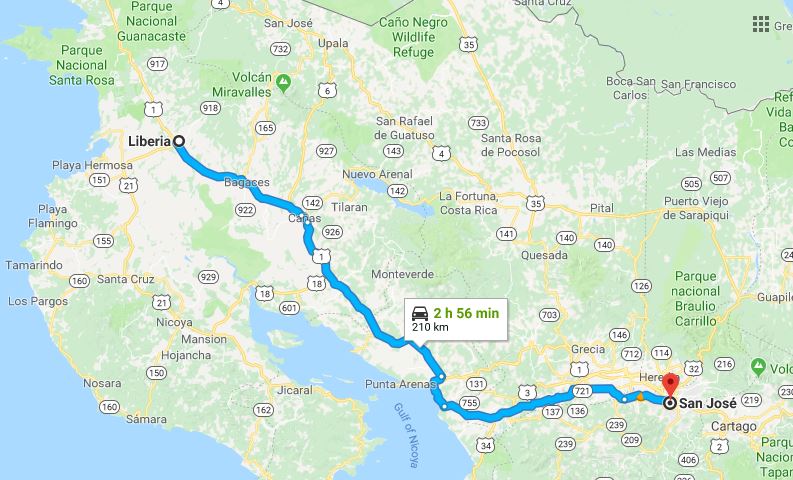
Costa Rica is a beautiful, affordable destination with a relatively short flight time for most Americans. It has such a diverse landscape that you can be on the beach, taking in the sun one day, while trekking the trails near Arenal Volcano the next day. There is something for everyone in this beautiful country; you’ll see wildlife, landscapes, and other sites you might have never seen before. My wife and I took a flight from Albany, NY, to Liberia, Costa Rica, and rented a small SUV to get around. We started on the northwest side of Costa Rica and made our way southeast. We returned the car to San Jose International Airport. It’s not really far in terms of distance, but there are roads where you will have to drive slowly, either due to the speed limit or the poor conditions of the streets. If you are going to rent a car, I highly recommend an SUV. It doesn’t have to be huge; anything with decent ground clearance will suffice. You can see the distance between the two airports below.
Arriving in Costa Rica
We arrived at Liberia International Airport from Newark at 1:40 pm. 17.5k United miles per person was what got us here. We headed straight for the car rental counters, which were adjacent to the airport, and this was probably the worst part of our trip. We pre-booked with Budget, so I assumed I would just have to show my license and passport, give them my credit card, and we’d be on our way. That’s not how it went. First of all, the line was long, and it was slow-moving. It was apparent that many tourists did not read up on their car rental laws before arriving and then assumed that Budget was wrong. Here is how it works: In Costa Rica, you are, BY LAW, required to purchase government-issued liability insurance (SLI). This is different from the benefits of your credit card. Most people were concerned that purchasing this insurance would void the collision damage waiver (CDW) their credit card might provide. It does not void the CDW because purchasing the SLI is required by law. Now, it’s true that the rental agencies might try to upsell you their own insurance in addition to the SLI. That’s where they earn most of their profits. For your sake, it’s redundant and a waste of money. We spent nearly two hours in line before we finally got our SUV. Again, I strongly recommend an SUV because you will find gravel and poorly paved roads in Costa Rica.
Days One & Two: Puerto Potrero
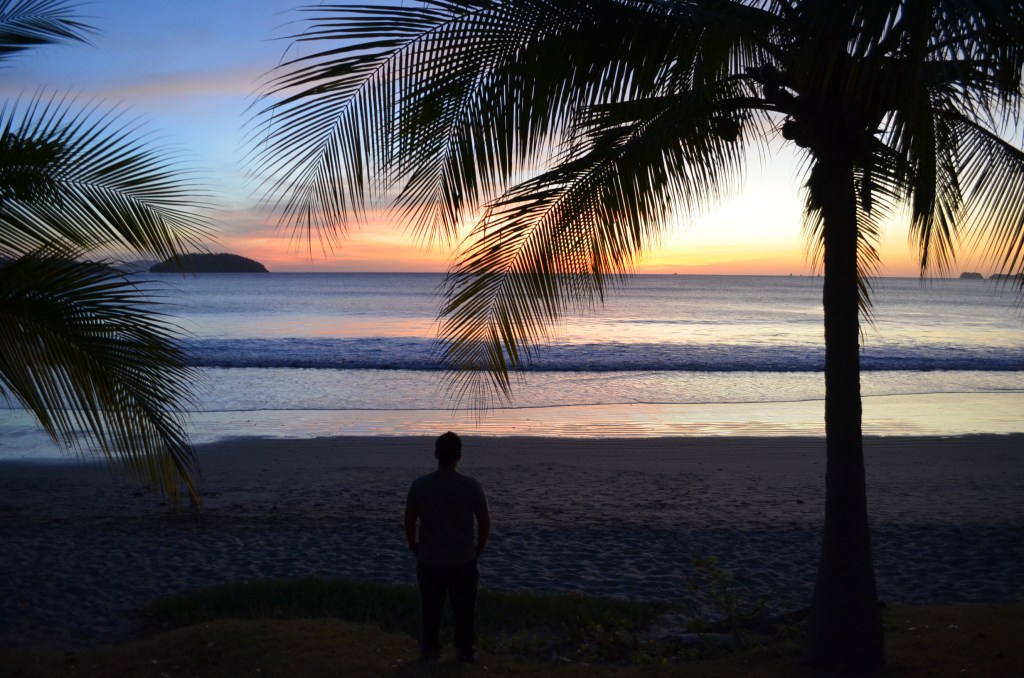
For the first two days, we stayed right on the beach at the Sugar Beach Hotel. It was a relatively inexpensive and comfortable place with a very friendly staff. One of the biggest appeals of this hotel was having its own private beach. A clean pool and complimentary breakfast were huge pluses. They also have a restaurant, but my wife and I opted for the local food scene instead. The sunset views from the beach were incredible. This place was perfect for surfing, boogie boarding, or water paddling. There are plenty of hotel options on the west coast of Costa Rica, and you’ll get sunset views and clean beaches from all of them.


Day Three: Bijagua and Tenorio Volcano National Park
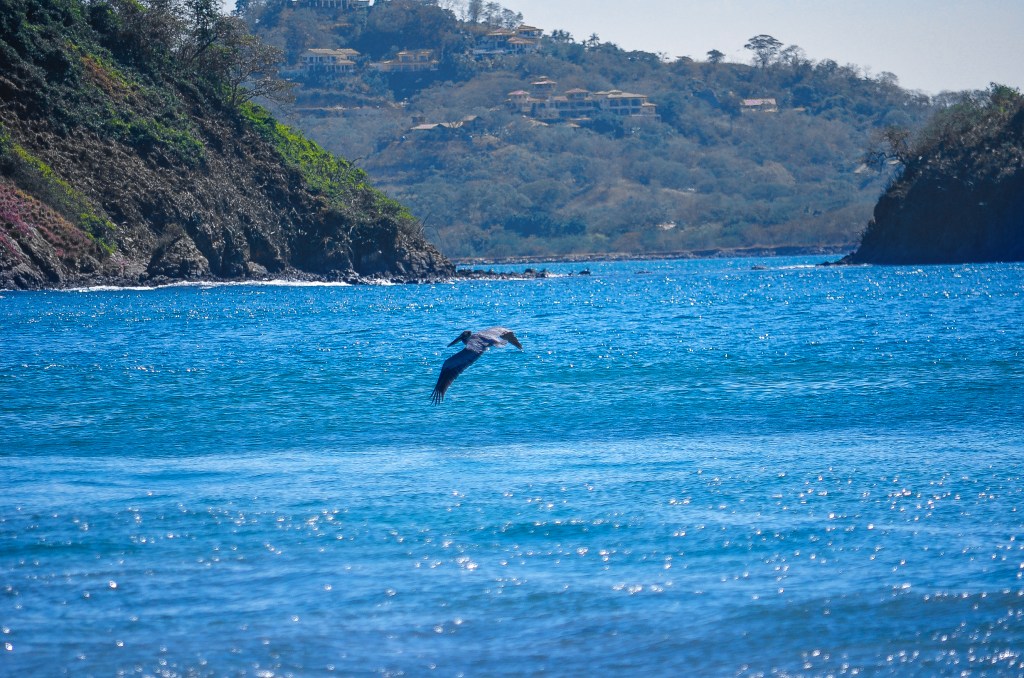
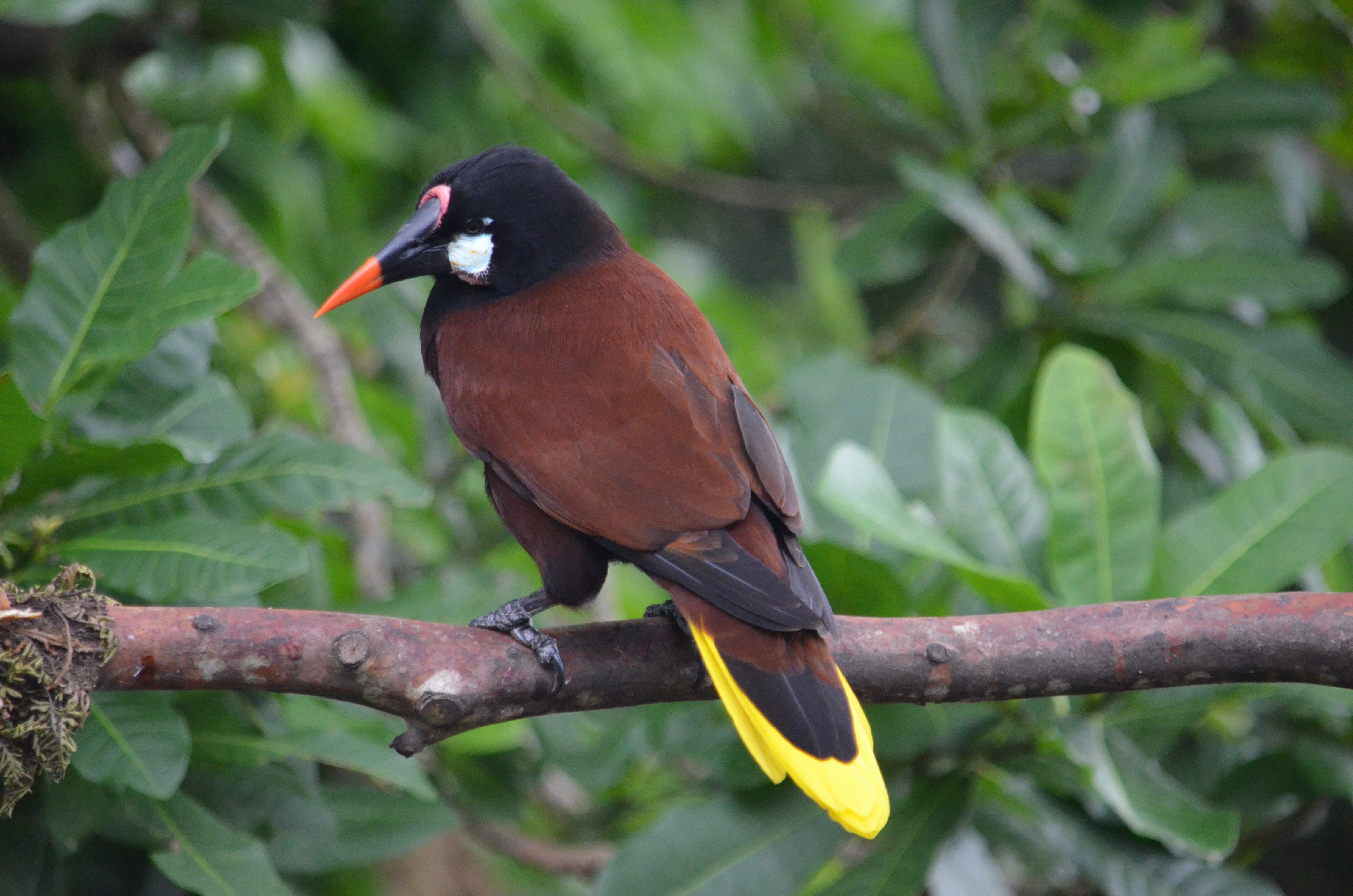
We left around 9:30 and arrived at our B&B, Sueno Celeste, around 11 a.m. This is the area near the Rio Celeste waterfall, and if you happen to find yourself in this area, I highly recommend this B&B. Rather than one large building with multiple rooms, they have several colorful cabin-type rooms in a lush green garden setting frequented by several unique and colorful birds. I saw birds on this property that I’ll probably never see anywhere else. You can see some of them below.


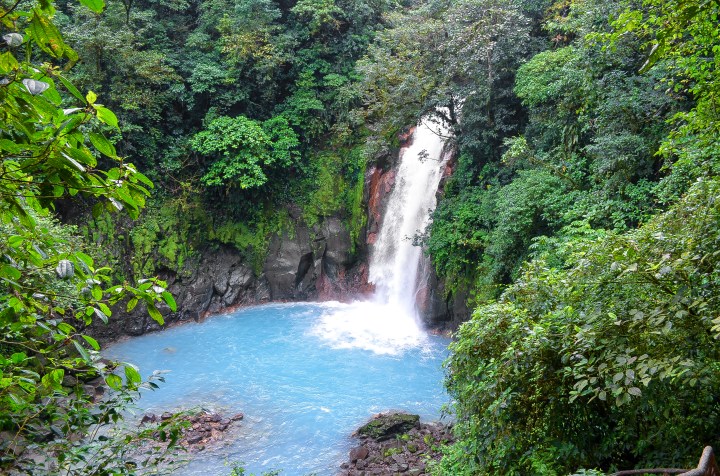
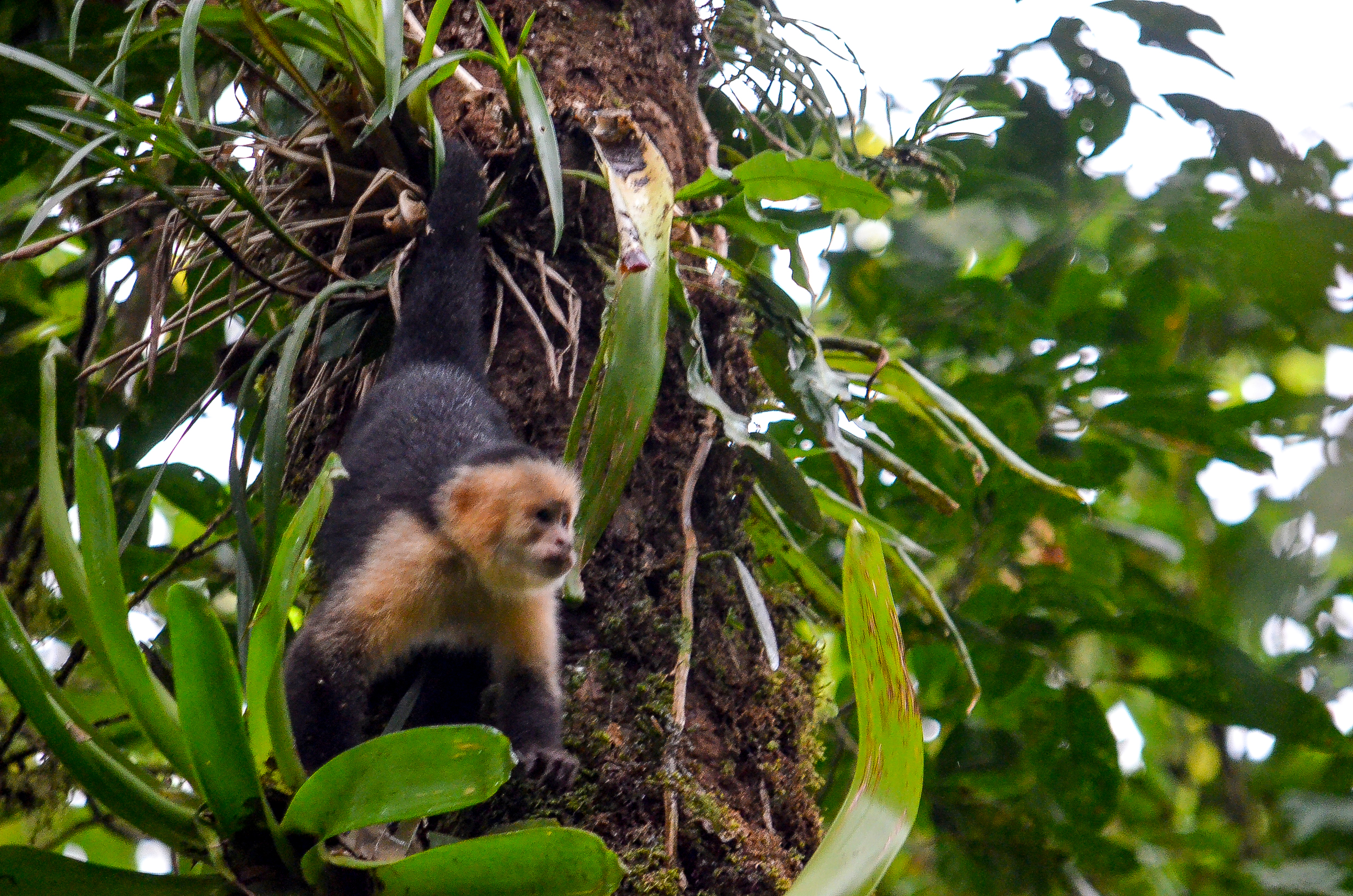
We arrived at Sueno Celeste, dropped off our luggage, and drove to the entrance of Tenorio Volcano National Park. There is only one road to get there, and not only is it gravel, but there are bumps, potholes, and craters everywhere. It was hard enough traversing this road with an SUV. I can’t imagine how difficult it would be with a sedan or smaller car. Once we were there, the entrance fee was $10 per person, and we were off. The hike to the Rio Celeste Waterfall is about an hour long, and some steep uphill climbing is involved. The return is about 45 minutes. Bring water bottles and granola bars because the uphill portion can be exhausting. Since the trails get frequent rainfall, they will be very muddy, and you will likely get mud on your clothes. Ensure you bring a decent pair of hiking shoes and hiking clothes that you won’t lose sleep over if they get dirty. I saw a few people trying to do this hike with flip-flops, and they struggled. The mud was eating their flip-flops alive. The views along the way are picture-worthy, and the reward at the end of the hike, the Rio Celeste Waterfall, is incredible. Swimming in the national park is forbidden, but since the Rio Celeste runs nine miles, you’ll find locals swimming in the portions that are outside of the national park territory.


Tenorio Volcano National Park closes at 4 p.m., and they don’t allow visitors after 2 p.m., so the earlier you arrive, the better. After we were done with our hike, we drove the bumpy road back to Sueno Celeste. The family that owns this B&B has a rotating menu for dinner each night (for pay) that they cook themselves. That night, fish cakes with peanut sauce, steamed vegetables, and jasmine rice were on the menu. We never had anything like it, and it was delicious. This property also had a large outdoor jacuzzi that can fit 8-10 people. Since no one was using it, we figured it would be a nice way to cap off a productive but tiresome day. We stayed in Bijagua for just one night, and the next day, it was on to La Fortuna, about a 2-hour drive southeast, with Arenal Volcano National Park being the main attraction.
Days Four & Five: La Fortuna and Arenal Volcano National Park
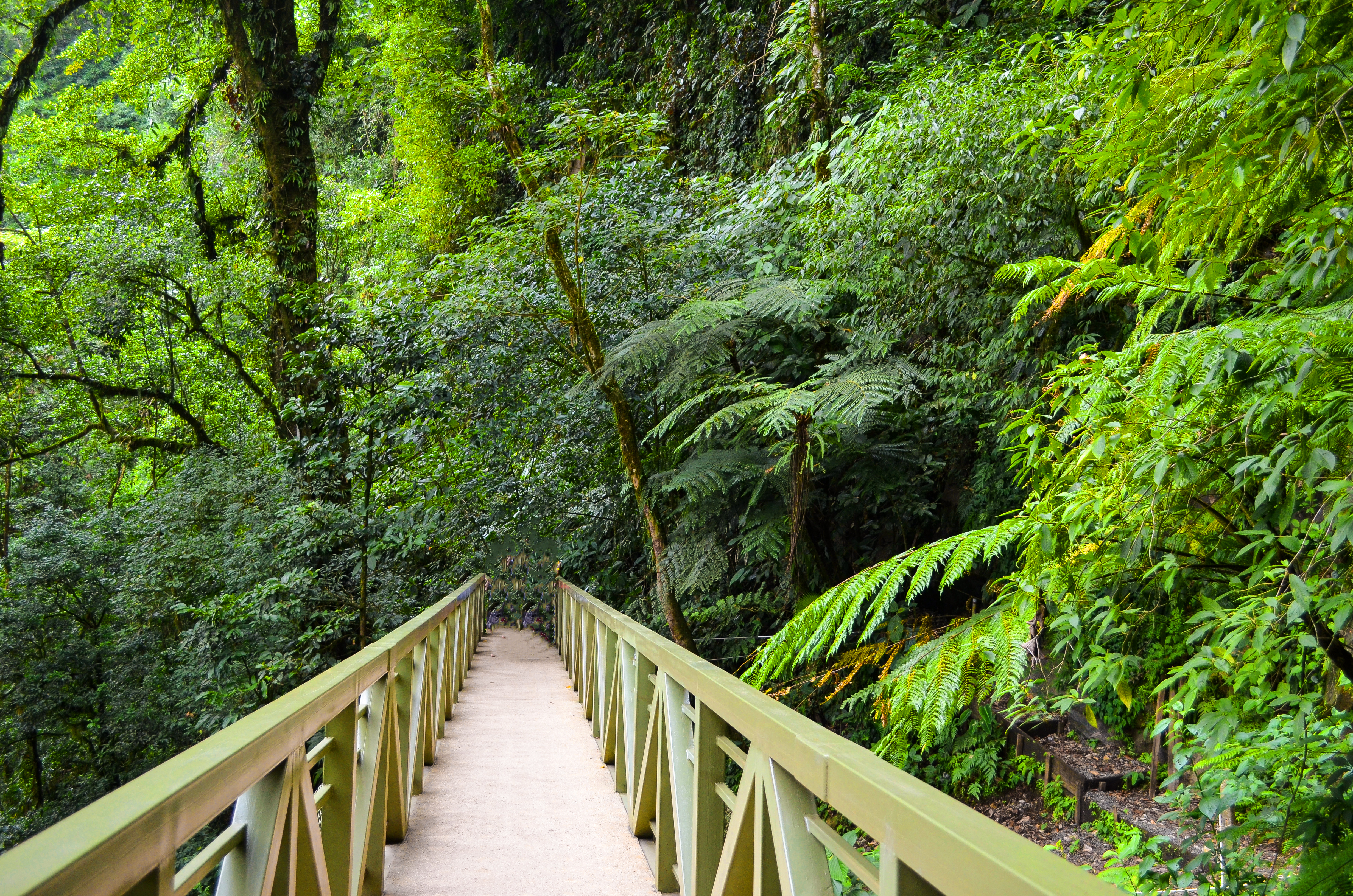
La Fortuna is a small town near Arenal Volcano that is used as a base camp to get to the sights nearby. We stayed at an inexpensive but comfortable hotel called Hotel Eco Arenal for two nights. On the day we arrived, we quickly hiked to La Fortuna waterfall. The entrance fee was $15, and the hike took about 20 minutes. This hike will take you through the lush tropical forest and provide plenty of spectacular picture opportunities.

Once we finished this excursion, we returned to La Fortuna and walked around the town. They have a beautiful park in the town’s center and many restaurants, boutique shops, and souvenir shops. The following day, we hiked at Arenal Volcano National Park. The Volcano is easily seen from La Fortuna, but to hike the trails, we had to drive about 40 minutes to the park entrance. The park is open from 8 a.m. to 6 p.m., with an entrance fee of $15 per adult. If you’re in Costa Rica, this is one of the must-see places you should add to your list. Arenal Volcano is still considered an active volcano, and it last erupted in 2010. On a clear day, there will be multiple points on the trail where you can take incredible pictures of the volcano and surrounding landscape.

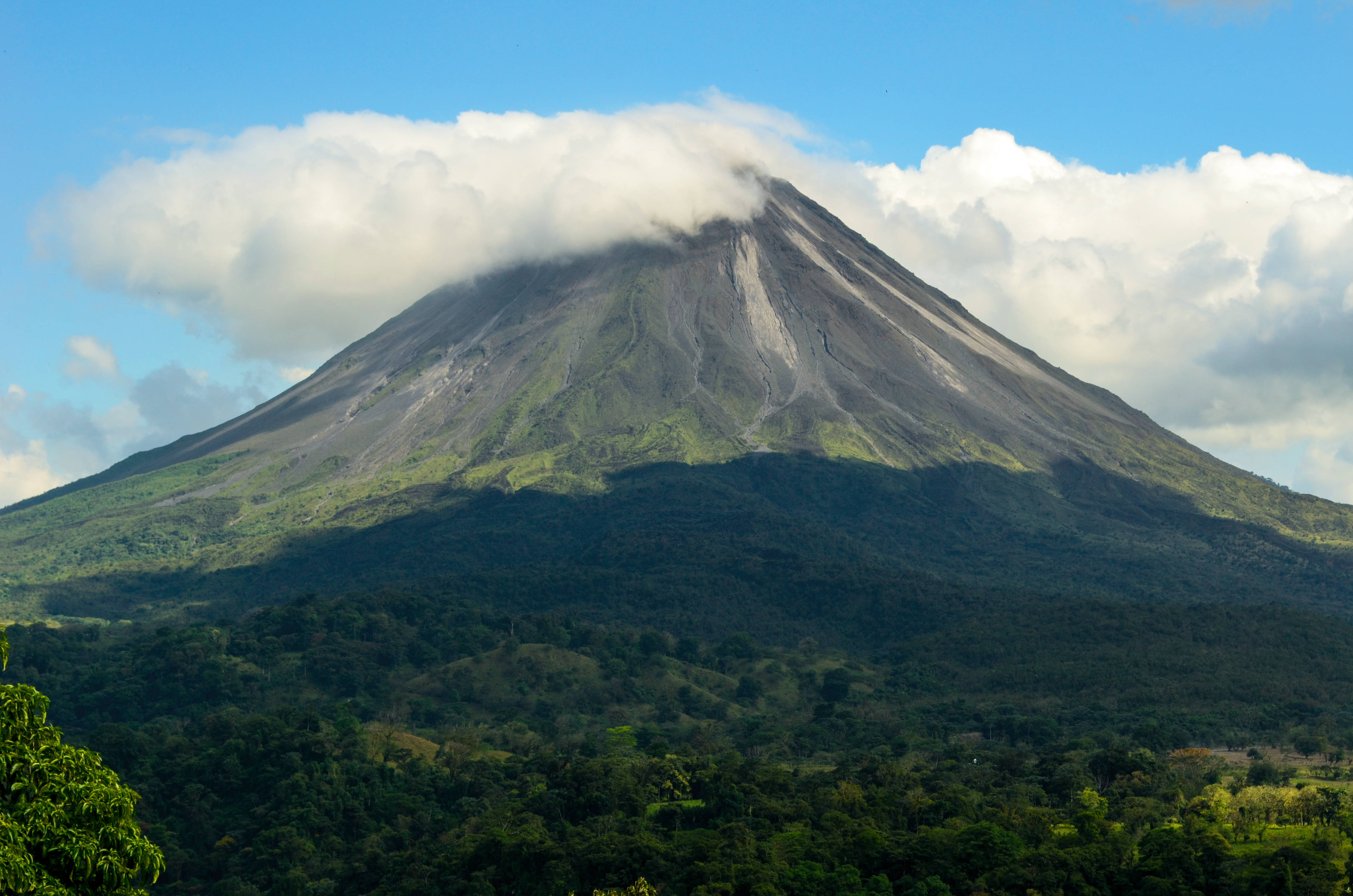
The hike was mostly on flat grounds, but if you want better photo opportunities, some trails diverged from the main path and required steep uphill climbing. I highly recommend taking advantage of this opportunity if you can do it. As an FYI, you don’t need a guide to do these trails, but if you feel more comfortable doing one, you will find guides at the park entrance (for a fee). Now, it was time to make the 3-hour drive southwest to Monteverde.
Day Six: Monteverde and Cloud Forest Biological Reserve
Even though the straight line distance isn’t far, the drive from La Fortuna to Monteverde took us three hours since no roads cut through the center of Arenal Volcano National Park. We also had to drive around Laguna de Arenal, which added considerable time and distance. But three hours later, we were in Monteverde and stayed at a cheap hotel called Hotel El Bosque. We opted for cheap but comfortable accommodations in Costa Rica, where we would be out almost daily. Although this place was affordable, it wasn’t comfortable, so I wouldn’t recommend it.
The main attraction in this area is the Cloud Forest Biological Reserve, a sanctuary to over 500 species of birds, 130 species of mammals, and 120 species of reptiles and amphibians. For this excursion, we opted for the guided tour ($37 per person for foreigners and $27 if you have a student ID) on the recommendation of friends who had been here before. They had tours at 7:30am, 11:30am, and 1:30 pm. Since we had a 3-hour drive from La Fortuna, we opted for the 1:30 p.m. tour. If you feel more adventurous, you can choose between a few different tours, including a night tour. The website for booking the tour is http://www.reservamonteverde.com/guided-tours.html.
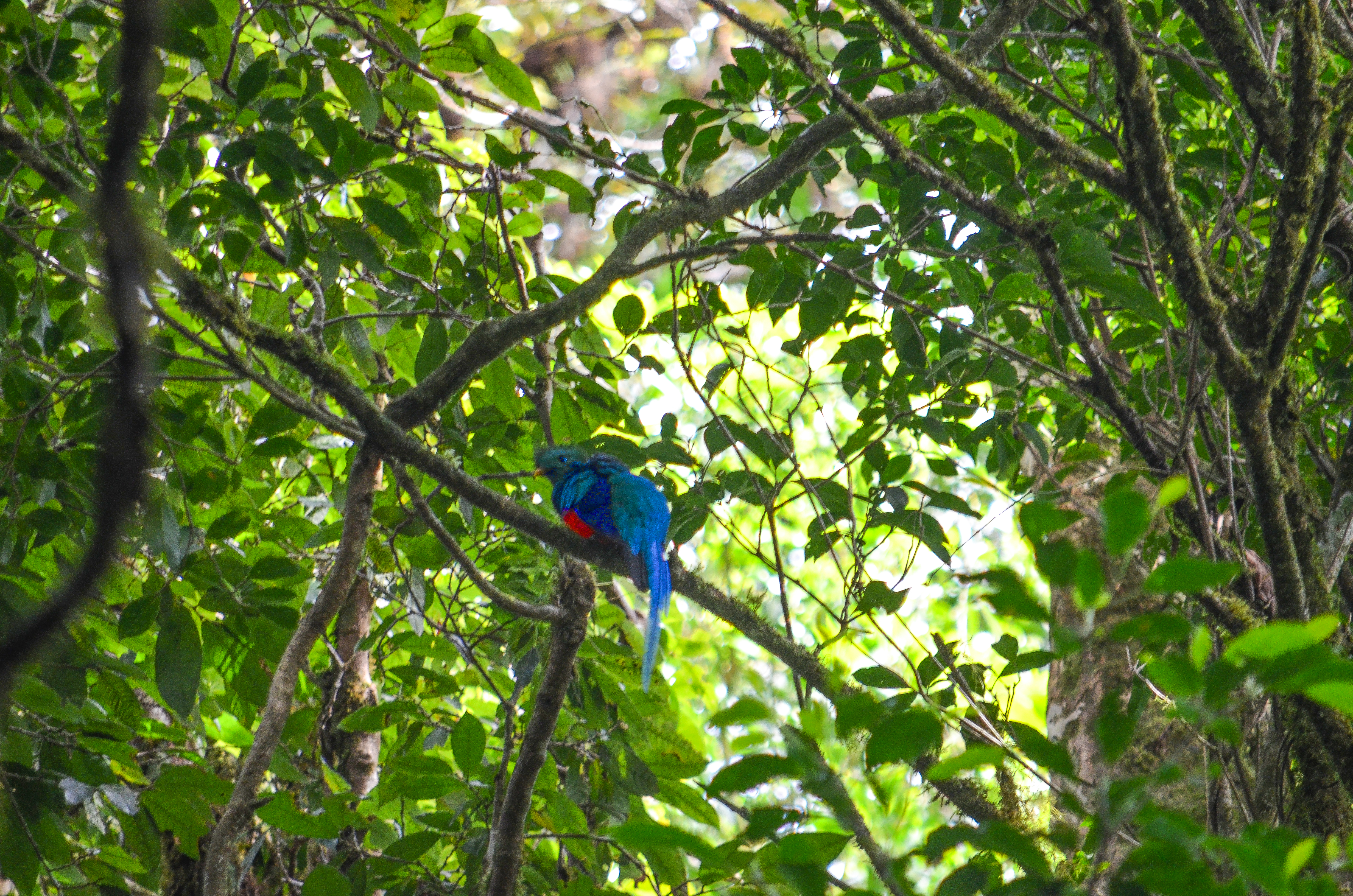
Having a guide for this tour was worth it. Our guide was able to point out reptiles and birds that were well camouflaged in the trees, which we would have certainly missed without his expertise. He could identify the species of birds based on their chirping noise and had some powerful Nikon binoculars that he passed around to everyone in our group when an animal or bird was spotted. This walking tour took about four hours and the trails were mostly flat and easy to navigate.


This concluded the hiking, nature, and adventure portion of our trip to Costa Rica. Early the following day, we were off to the capital city of San Jose.
Day Seven: San Jose
Our return trip home was via San Jose International Airport, so we spent an entire day experiencing Costa Rica’s capital city. San Jose is a vibrant city and the largest city in Costa Rica. They have plenty of museums, theatres, parks, and interesting architecture. You can experience most of this by choosing a central hotel location and walking around. We decided to stay at Hotel Aranjuez, which I highly recommend. Their complimentary breakfast had a vast selection, and the hotel was clean and comfortable. It only cost us $67 for the night, so there was a lot of value there.


The following day, we returned our one-way rental to San Jose International Airport, and off we were back to the U.S. We used Southwest Airlines for our trip back, and we got an incredible redemption of 6,200 points per person for our flight back to Albany via Baltimore. In 7 days, we could enjoy the beach, spectacular sunsets, multiple waterfalls, volcanoes, exotic wildlife, and a beautiful city. That’s what makes Costa Rica very special. There is something for everyone, and you can customize your itinerary based on your interests. The people are so friendly and helpful, and it’s a place I’d highly recommend. Remember to bring mosquito repellent and a good pair of hiking shoes/clothes, and read the car rental laws before arriving.
 Miles for places
Yes! To Hotel Aranjuez, love that breakfast! Looks like you had a great Costa Rica experience!
LikeLike
We certainly did! Beautiful country, wonderful people, and the food was great everywhere 😀
LikeLike
I would love to just “copy and paste” your itinerary! Would you make any changes?
LikeLike
Hi Marilyn! Thanks for reading! If I had to do it again, I would probably add ziplining or a visit to a thermal spa near Arenal Volcano. We were able to accomplish so much and everyday was filled with fun and adventure so I wouldn’t subtract anything. Have an amazing time if you choose to go!
LikeLike