
Japan
Due to my employer’s generous paternity leave policy, my wife and I anticipated having a two-month break in the summer of 2023. With this in mind, we began planning a trip to Asia in November 2022. Our boys were four years, three years, and 11 months at the time of our travel. While this was undeniably an ambitious undertaking, we had taken steps in previous years to prepare for such adventures. Trips to Hawaii and Alaska with our older two boys helped us test various strategies to prepare them for long flights. With each excursion, we witnessed their growth, maturity, and enthusiasm for travel, giving us a cautiously optimistic outlook for a lengthy flight to Japan. Past experiences also taught us the unpredictability of traveling with toddlers and infants. Despite meticulous itinerary planning, we recognized that unforeseen needs could arise. Accepting this reality lessened potential disappointments if we couldn’t check off every item on our agenda. For weeks, my wife and I debated whether to opt for closer destinations like Europe or Central America or fully commit to Asia. The recurring question in our discussions was, ‘If not now, when?’ Planning an itinerary covering multiple countries on the other side of the globe required more than the typical 14 consecutive days off I usually receive. With a blessed two months off, the opportunity was now or potentially far into the future. While cautiously optimistic, we acknowledged the trip’s potential to become a disaster. Uncomfortable kids in unfamiliar settings, failed attempts to address their discomfort, difficulties overcoming jet lag, and the worst-case scenario of a child falling ill were all factors we considered. We hoped our kids would acclimate to different social norms in a foreign country and gain an appreciation for a world beyond America. It became clear that, for an extended trip, including kid-friendly activities in the itinerary was crucial. Although my wife and I love historical sites and museums, understanding that presenting an ancient temple after a 13-to-14-hour flight might be challenging for the kids, we prioritized activities that excited them. Planning around places and experiences that captured their enthusiasm ensured a more enjoyable trip, as their behavior ultimately determined the quality of our adventure.
Pre-positioning Flight to Minneapolis
We strategically flew to Minneapolis two days before our Tokyo flight to optimize a significant portion of our journey, heavily relying on award tickets and hotel redemptions. Leveraging the Virgin Atlantic Flying Club program, I successfully secured five one-way tickets on their SkyTeam partner, Delta Airlines, from Minneapolis to Tokyo (Haneda Airport), totaling 142,000 miles. This redemption proved exceptional, considering the cash price for a one-way ticket exceeded $1,200. The cost-effective flight from Chicago to Minneapolis justified the cash price, positioning us for a valuable redemption. Cardholders of Chase Sapphire Reserve, Chase Sapphire Preferred, AMEX Platinum, AMEX Gold, AMEX Green, Citi Prestige, Citi Premier, and similar cards can transfer points to Virgin Atlantic Flying Club at a 1:1 ratio. Additionally, there are often 30-40% transfer bonuses from Chase, AMEX, and Citi, further enhancing the redemption value. I capitalized on this opportunity to improve
Flight to Tokyo
The kids were great. That was the single most important takeaway. We didn’t care about the food quality, service, whether a ceiling panel would fall on my head during takeoff (true story, thanks to Air India), etc. Nothing else mattered. We were in an Airbus A330 with a 2-4-2 seating arrangement, which worked in our favor. The older two had to sit across the aisle from one another (one next to Mom with a window seat, the other in an aisle seat next to me) so there was zero possibility of conflict. We packed plenty of snacks, candy (you break the rules for peace & quiet), and some Zarabees melatonin for the kids. As soon as we landed, my wife and I grinned at each other, and I asked, “What do you have on a scale of 1-10 (10 being best) concerning their behavior?” She responded, “11”. I concurred.


Day One: Tokyo
As soon as we landed, there were two things that we took care of at the airport. The first was exchanging our Japan Rail pass vouchers for a physical ticket. Japan Rail is the agency that operates the high-speed bullet trains called Shinkansen. You generally want to purchase the vouchers at least two to three weeks in advance. We bought ours from Klook.com. The vouchers were delivered after about seven days, and we took them with us to Japan, where we exchanged them for physical tickets at Haneda Airport. You can exchange the voucher for a ticket at any of the larger airports or at any train station that serves the Shinkansen. Opting for the seven-day pass ($225/person) made sense for multiple Shinkansen trips, as it proved more cost-effective than paying for each journey individually. Notably, children under six travel for free, and for an additional $75, you can upgrade to the Green Cabin—a business class equivalent offering more space, reclining seats, and often a less crowded environment. Safeguarding the tickets is crucial, as there are no replacements, and even a picture on your smartphone won’t suffice.

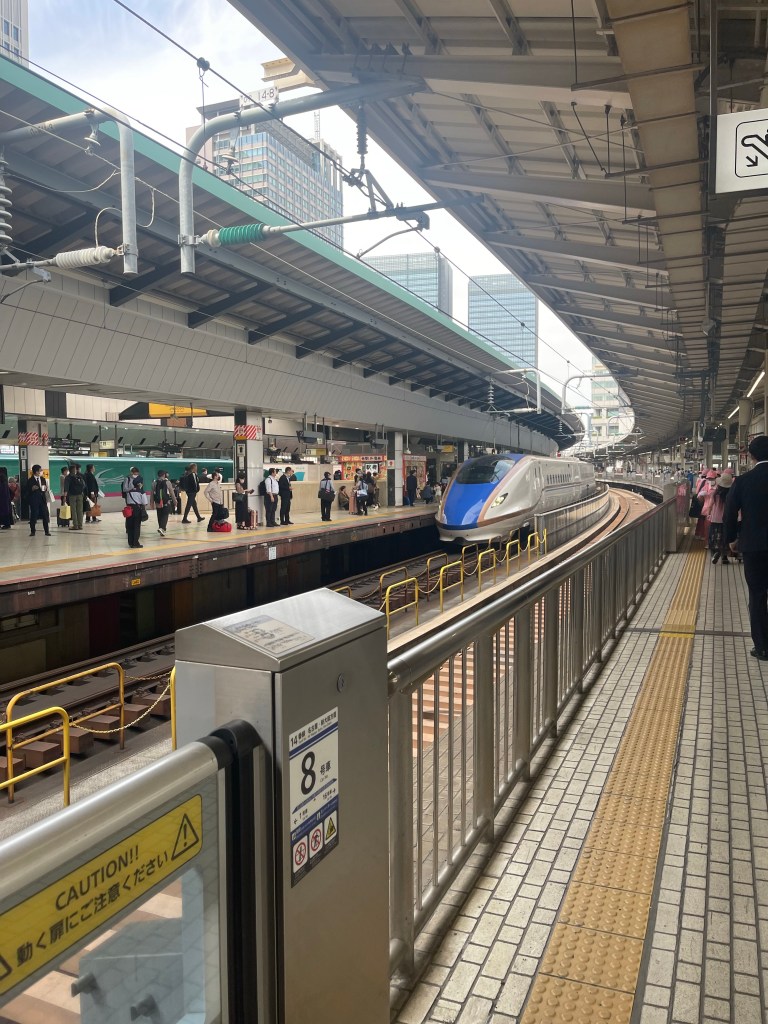

Our second priority was renting a pocket WiFi device for the entire duration of our Japan trip. If you’re deliberating between a SIM card and renting a pocket WiFi, let me simplify it for you. Opt for a SIM card if you’re traveling alone or with a group where members will separate for extended periods. However, if you’re traveling as a family, especially with toddlers and young children, go for the pocket WiFi. The pocket WiFi allows up to five devices to connect simultaneously, making it ideal for families who stay close together. This is particularly useful during long drives in Japan, ensuring WiFi for keeping multiple kids entertained. The device is compact and smaller than an iPhone 13, 14, and 15 Pro Max, with 9-10 hours battery life, depending on usage. I recommend having a portable charging device if you are in a situation where you can’t afford the battery to die.
After sorting out our connectivity needs, we hopped onto the subway and headed to the Kanda neighborhood in Japan. Upon reaching the hotel, we had an early dinner and promptly went to sleep at 7:45 pm, exhausted, jetlagged, and in desperate need of rest. When visiting Japan without renting a car, staying close to a subway station is advantageous. Tokyo’s subway system ranks among the world’s best and is relatively easy to navigate. Our choice was the Comfort Hotel in Kanda, Tokyo, strategically located within walking distance of Kanda Station and Akihabara Station, with Tokyo Station just a short Uber ride away. While Japanese hotels, in general, may not offer the spacious rooms typical in North America, the Comfort Hotel, though compact, was suitable for our needs. With each room accommodating only one double bed, we booked two neighboring rooms for our family of five using Choice Privilege points at 8,000 points per night per room. The staff was excellent, and each morning’s complimentary breakfast featured a delightful spread. Despite its name, you might consider another hotel if you want more room to spread out. However, if you plan to be out and about throughout the day and need a place that covers the basics, this property will serve its purpose.
Day Two: Tokyo
Notable highlights from this day were visiting teamLab Planets in Tokyo, a place known for its digital art display that immerses your visual, physical, and auditory senses in some fascinating exhibits. There are a couple of exhibits where you will be in knee-deep water, so wearing pants that are easily folded up or shorts, if the weather permits, is recommended. It is also important to note that the water is not color-safe, and if it touches your clothing, the color may bleed. Unfortunately, my wife found out the hard way. This exhibit was a massive hit for our two toddlers, and I would put it on a list of must-see places if we were traveling with kids.
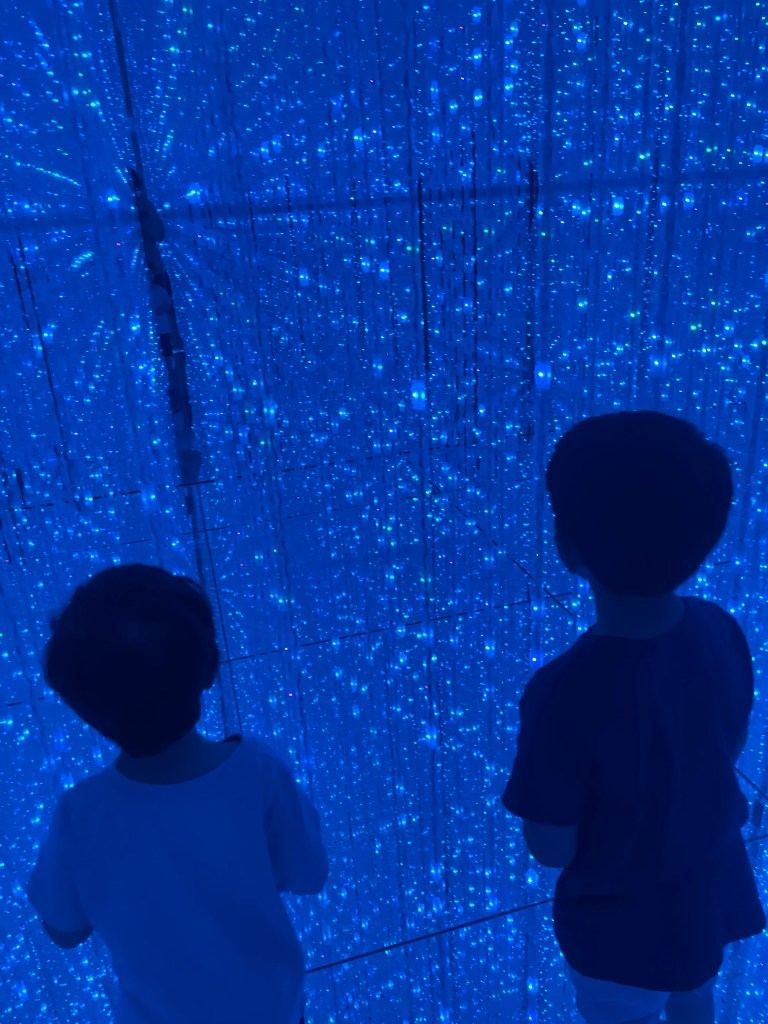

The second part of our day was spent in the trendy Shibuya area of Tokyo, a neighborhood known for its shopping and culinary scene. You can visit the Tokyo Food Show and people-watch at one of the busiest pedestrian crossings in Japan.
Day Three: Tokyo Disney Land
This was a day that we were very much looking forward to. Tokyo has two Disney parks, Disney Land and Disney Sea. Disney Land had more rides for our toddlers due to height restrictions, so that is the one we chose. The layout is very similar to Disney World in Orlando, FL, and they share some of the same rides. We didn’t experience lines as long as anything we experienced in Orlando earlier this year, making it easy to accomplish more. Disney Land Tokyo has fewer rides that are eligible for a FastPass. You also can’t pre-order food through the app and have it ready for pick-up like you can in Orlando. A convenient aspect of Disney Land Tokyo is the Mahaima Station, which is right in front of the park. The Keiyo Line and Mushasino Line will take you from Tokyo Station in about 15 minutes.


For dinner, we had a reservation at Panga Halal Wagyu Yakiniku. For those of you who adhere to halal dietary restrictions, the A5 grade Japanese wagyu beef was phenomenal and by far the best meal we had in Japan. I can make a strong case that it was one of the top three meals I’ve ever had. It was delicious, and the service was exemplary. The Tokyo location also serves delicious ramen, which we all love. Reservations are strongly recommended since they are usually booked several days in advance.


Day Four: Tokyo
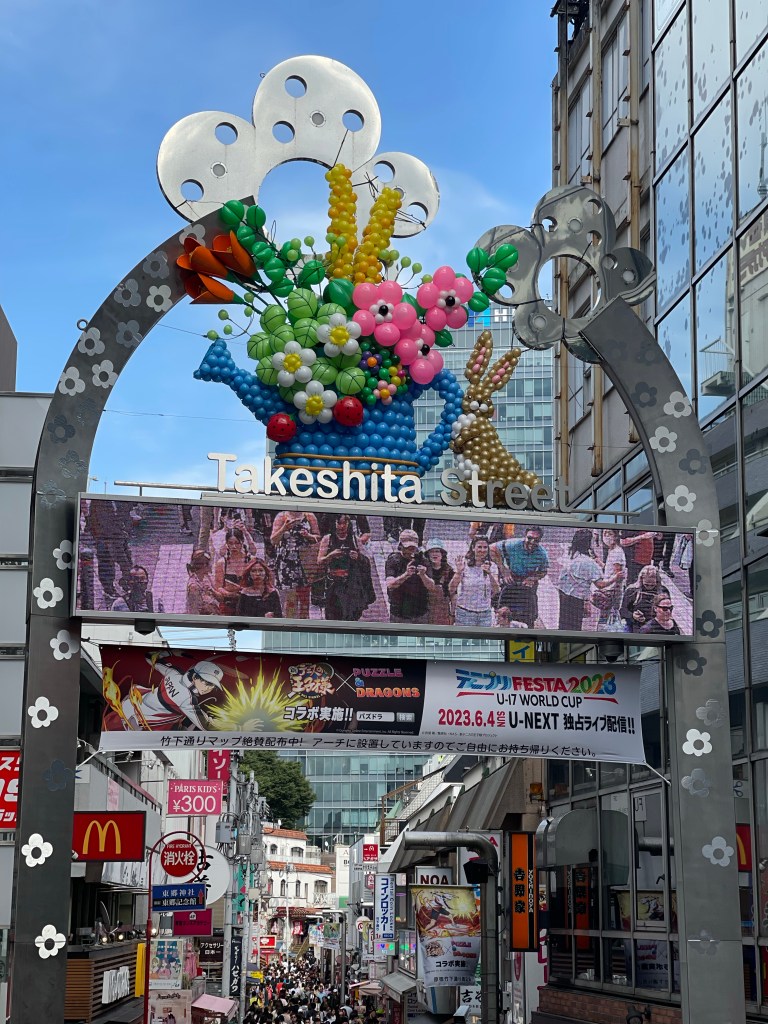
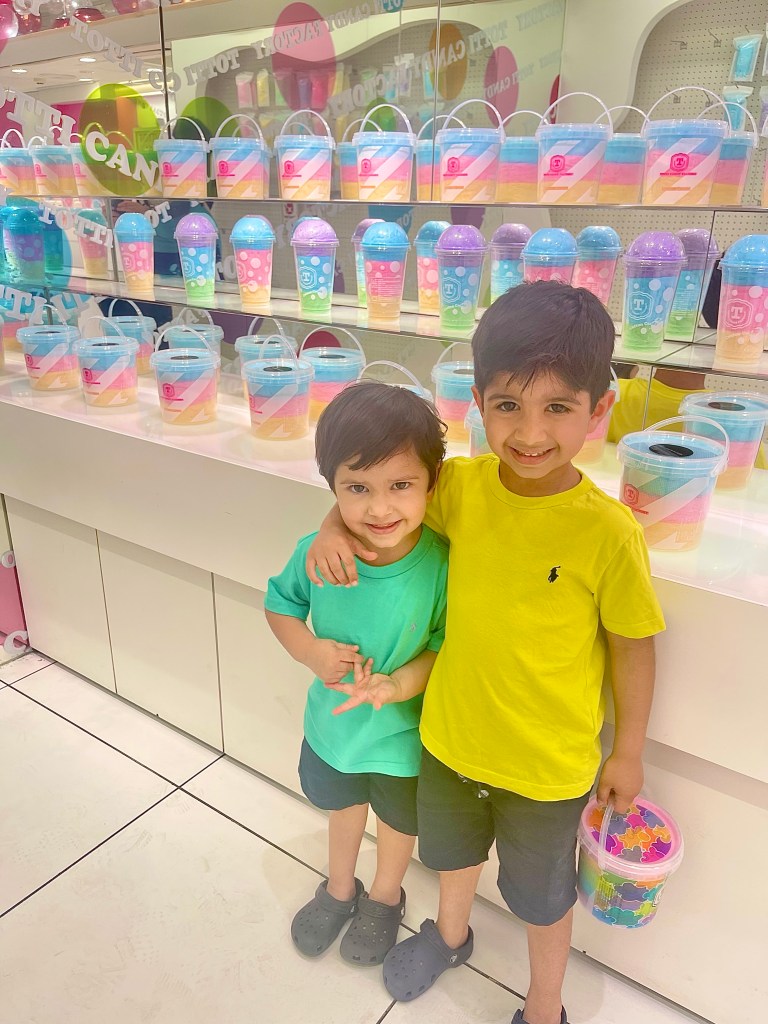
Our day was primarily dedicated to exploring the chic district of Ginza, renowned for its excellent shopping opportunities and numerous outstanding restaurants. This trendy area offered a delightful mix of high-end boutiques and culinary delights. Later in the day, we hopped on a train to Shibuya, disembarking at Harajuku Station to stroll through the famous Takeshita Street. This narrow, bustling street has unique shops and enticing places to grab a bite. To reward the boys for their excellent behavior, we treated them to a visit to a store specializing in cotton candy.
Shibuya and Ginza both exude vibrancy, featuring outstanding shopping, diverse dining options, boutique shops, and an atmosphere that captivates both locals and tourists from around the globe. While hotels in these neighborhoods can be pricier, the wealth of experiences they offer and the convenience of having everything at your fingertips make them worthwhile if you can secure a good deal. These areas provide numerous attractions, ensuring you won’t venture too far to find something captivating.
This was also the day we shipped one of our suitcases to the hotel we would be staying at in Osaka 2 days later. For fellow travelers visiting Japan, especially those with kids, who find themselves moving between cities or hotels, a convenient solution is to see the front desk of your current hotel and arrange for them to ship your luggage to your next destination. While it costs roughly $16 to $20, the convenience it offers in reducing the hassle of dragging around multiple suitcases is well worth it, in my opinion. Simply provide the hotel with a 48-hour heads-up.
Day Five: Tokyo and Hakone
All wonderful things come to an end, and sadly, that was our final day in Tokyo. We visited the famous Senso-Ji, Japan’s oldest and most visited Buddhist temple. The origins of this temple go back to 645 AD. The architecture of the Senso-Ji temple and the adjacent Asakusa Shinto shrine is the traditional Japanese architecture commonly seen in postcards. Just like all the sites in Japan, if you want to get quality pictures without a crowd in the background, get there as early as you can
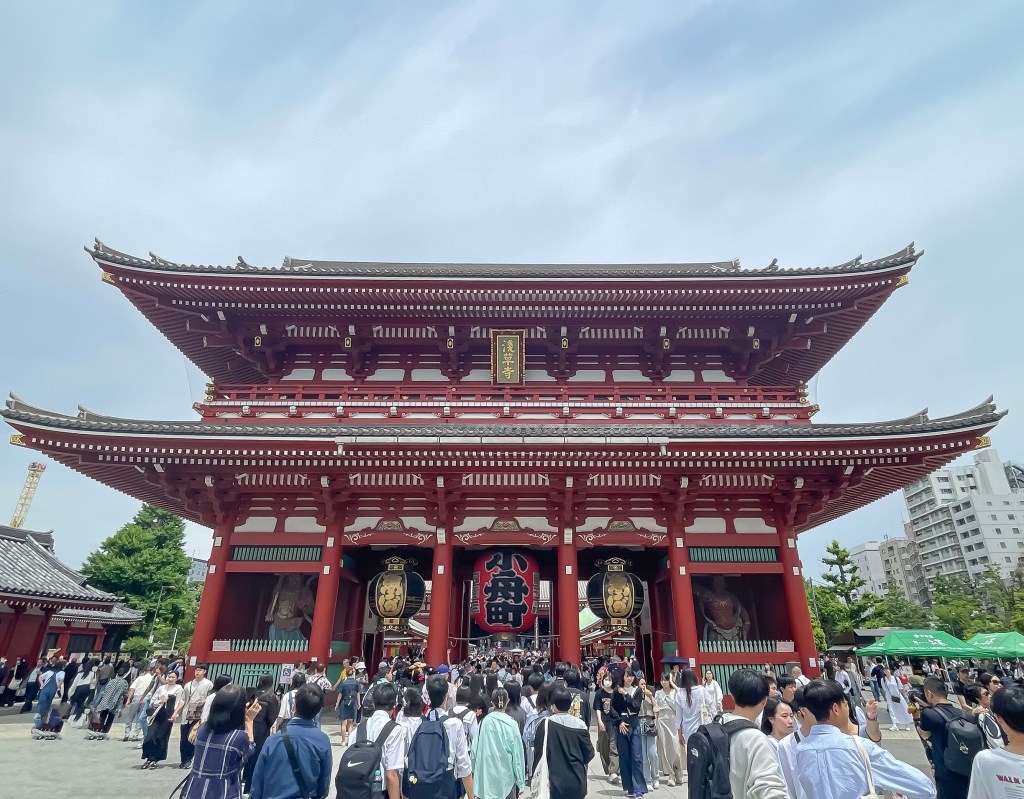

Approaching the temple, our journey led us through Nakamise-dori, a bustling street with over 85 shops offering various items, from souvenirs to Japanese snacks and sweets. Among the attractions along Nakamise-dori is an ice cream shop featuring Cremia, a soft-serve ice cream that, in our opinion, stands as the best in the world. Crafted from the milk of well-cared-for Hokkaido cows, known for their stress-free grazing and freedom to roam, Cremia benefits from the rich, high-fat-content milk these renowned cows produce. The result is an ice cream with a heavenly texture and flavor.
What makes Cremia genuinely exceptional is not just the quality of the ice cream but also the unique cone. Possessing a cookie-like texture and crunch, this cone maintains its integrity and doesn’t get soggy as you savor the treat. The exceptional soft-serve and the distinctive cone sets it apart from any other soft-serve.
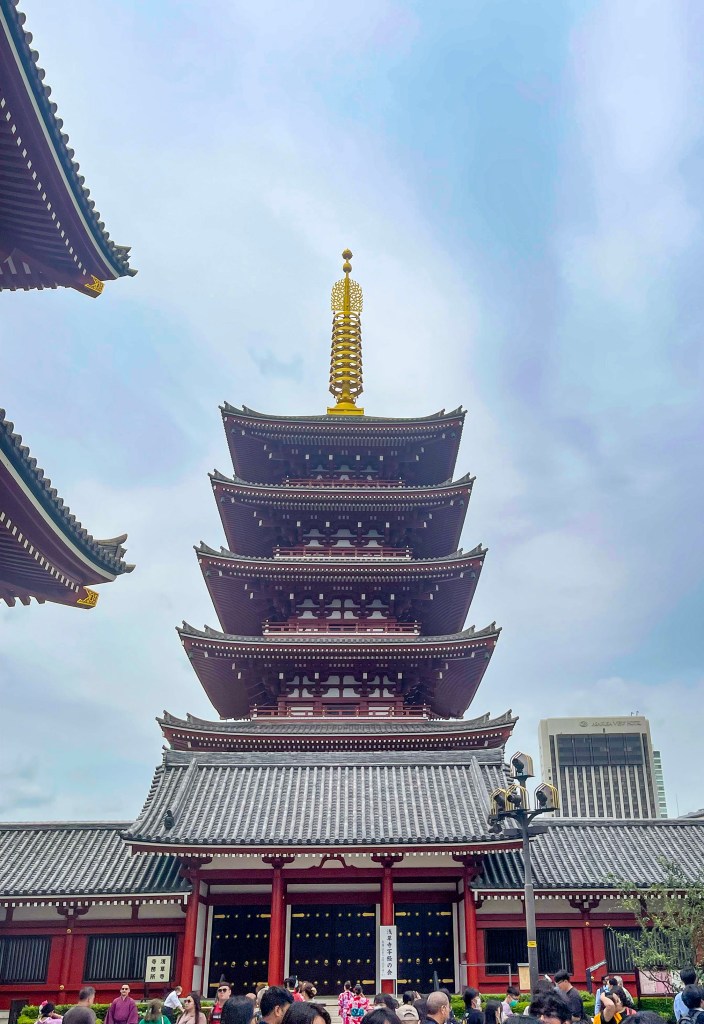

Nakamise-dori

As we concluded our unforgettable time in Tokyo, the next leg of our journey involved boarding the Shinkansen to head southwest to Odawara, a larger town serving as the gateway to the smaller towns nestled at the foothills of Mt. Fuji. With its impressive speed of 175+ mph, the Shinkansen whisked us from Tokyo Station to Odawara Station in about 30 minutes on the Tokaido-Sanyo line. From Odawara Station, we hopped on a 40-45 minute bus bound for Hakone, where we had booked an Airbnb for the night.
Exploring the towns near Mt. Fuji should be on your must-do list when visiting Tokyo. Hakone, situated on the shores of Lake Ashi, offers a stunning setting. If you secure an Airbnb higher in the hills, you’ll be treated to a beautiful lake view with Mt. Fuji gracing the background. Cruises on Lake Ashi provide closer views of Mt. Fuji, and for those inclined towards more adventurous activities, guided kayak tours in Hakone are also an option. On clear or partly cloudy days, the views of Mt. Fuji from Hakone are nothing short of majestic, adding a touch of awe-inspiring beauty to your travel experience.


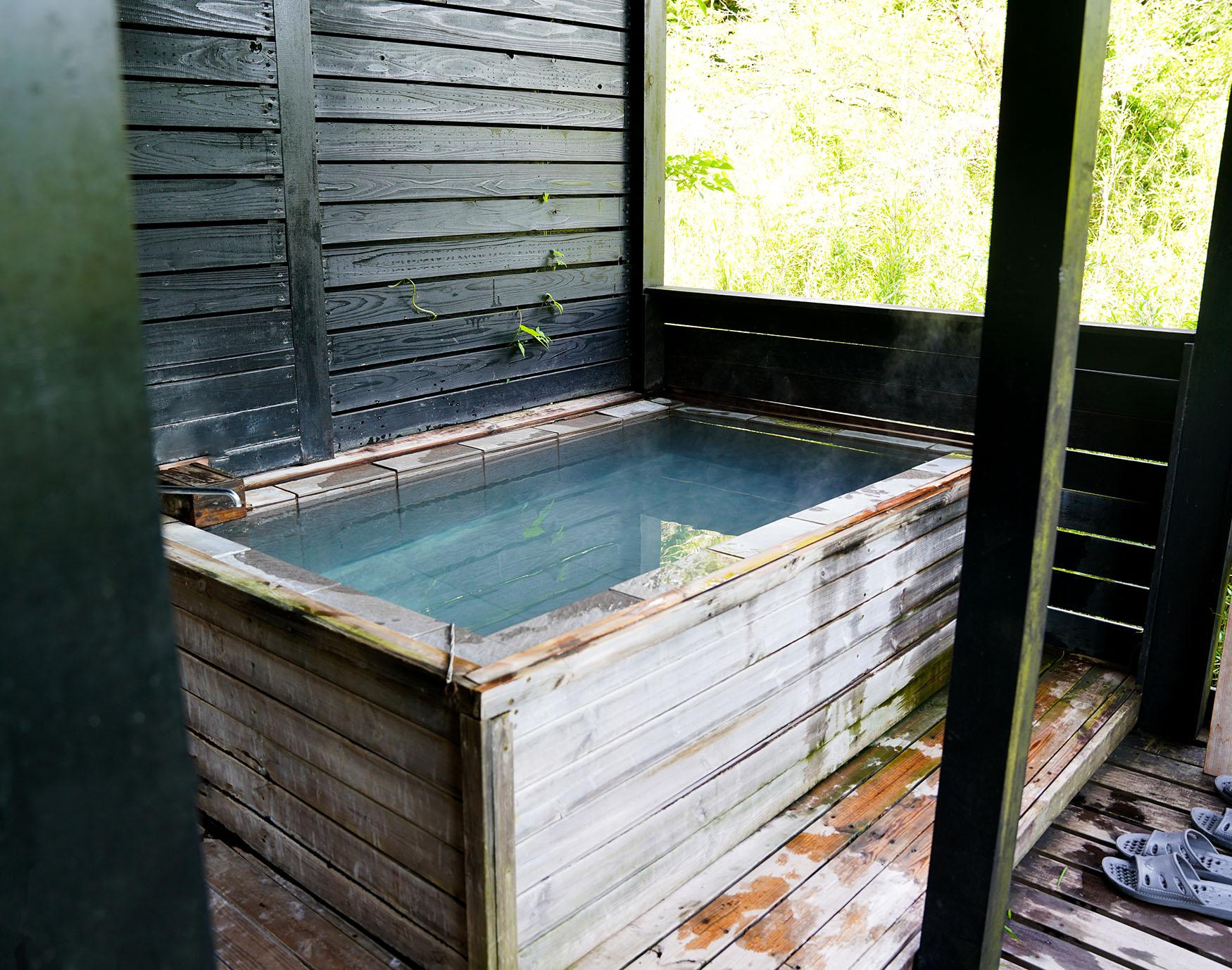
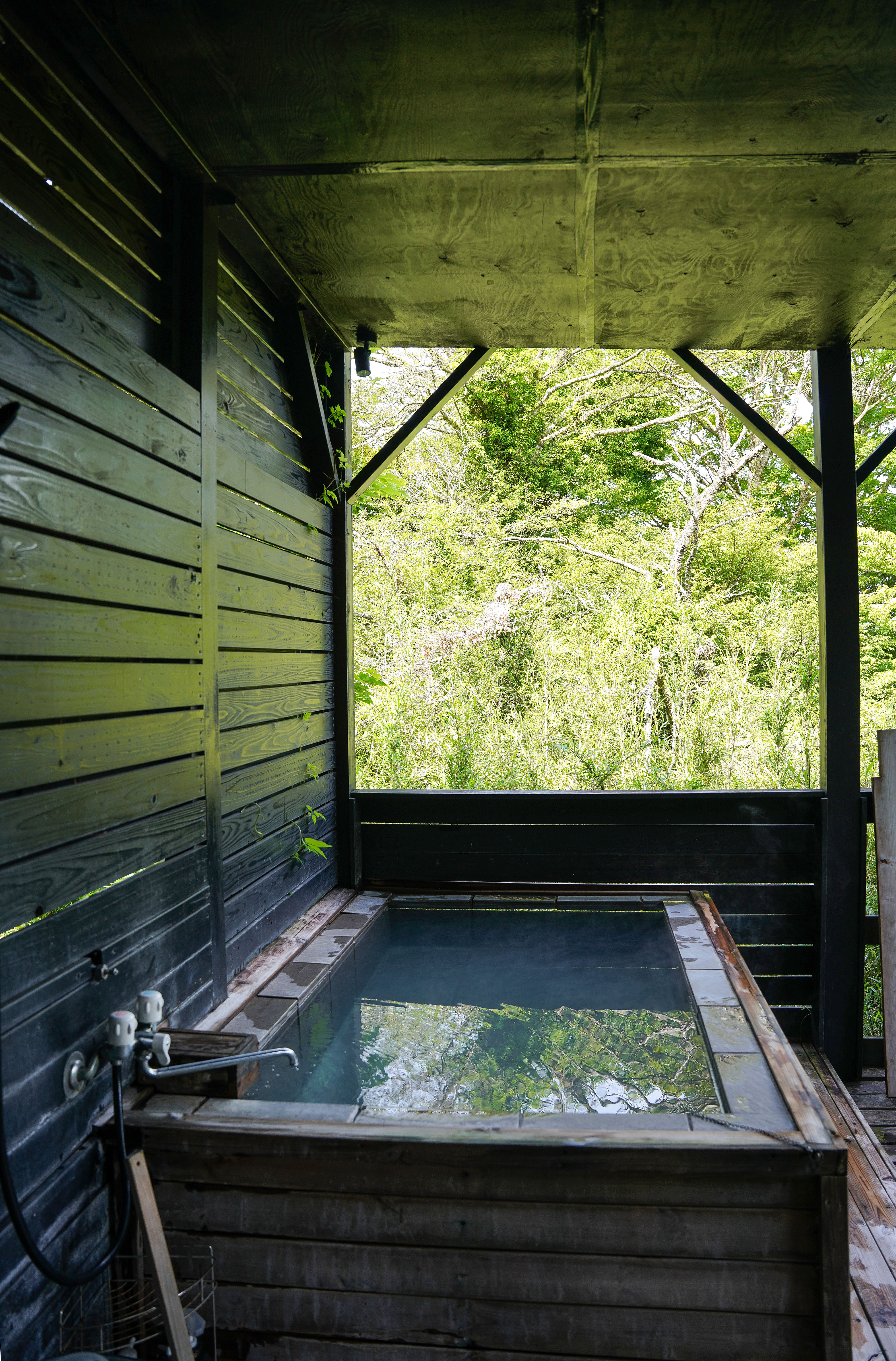
The towns around Mt. Fuji are famous for having onsen, or Japanese hot baths. The mineral-rich water in an onsen is geothermally heated underground and comes to the surface extremely hot. Onsen can be found in public locations where most people can use it (with some exceptions, more on this later) or private locations such as hotels, which may have a large shared onsen for everyone staying at the property or an individual onsen for each room. If you wish to have an experience encompassing several aspects of Japanese hospitality, including the onsen experience, try booking a traditional Japanese inn called Ryokan. An Airbnb usually has a dedicated private onsen unless it’s a unit within an apartment or condo. Almost all public onsens in Japan require you to be fully undressed, so if this is something you’re uncomfortable with, it’s another reason why having a private onsen would be desirable. Most public onsens are gender specific, but some are utilized for both genders, and the same undressing rules apply. We found a beautiful Airbnb with a private onsen, and our experience was terrific.
Another appealing aspect of a private onsen is that you can adjust the water temperature and cool it to a comfortable temperature. If you use a shared onsen, this may not always be the case. Adjusting the temperature also allowed my toddlers to have their first onsen experience. According to Japanese tradition, nutrient-rich water has many healing properties. It will make your skin feel buttery soft. I spent a few hours soaking in there, and I wish I had more time to soak longer.
It is crucial to note an exception regarding public onsens in Japan. Traditionally, individuals with tattoos have been barred from using onsens. While some locations are becoming more flexible and offering coverings for tattoos, most still strictly enforce this policy. There is no way to conceal a tattoo in a public onsen, where undressing entirely is part of the tradition. If you have body ink, it’s advisable to choose accommodations like an Airbnb or a hotel with a private onsen for each room.

Day 6: Hakone and Osaka
Earlier in the day, we took one final dip in the onsen and took a nice walk around Lake Ashi to indulge in the views. Later that afternoon, we took the bus back to Odawara Station and then took the Shinkansen for the approximately two-hour ride to Osaka. Osaka was our home base for the remainder of our trip and a convenient way to take the 20-minute Shinkansen ride to Kyoto. We chose a hotel that was a five-minute walk away from Shin-Osaka Station, the central train station in Osaka, which serves local trains into the city as well as the Shinkansen to other cities throughout Japan. We called it an early night after having dinner at a local sushi place.

Day Seven: Kyoto
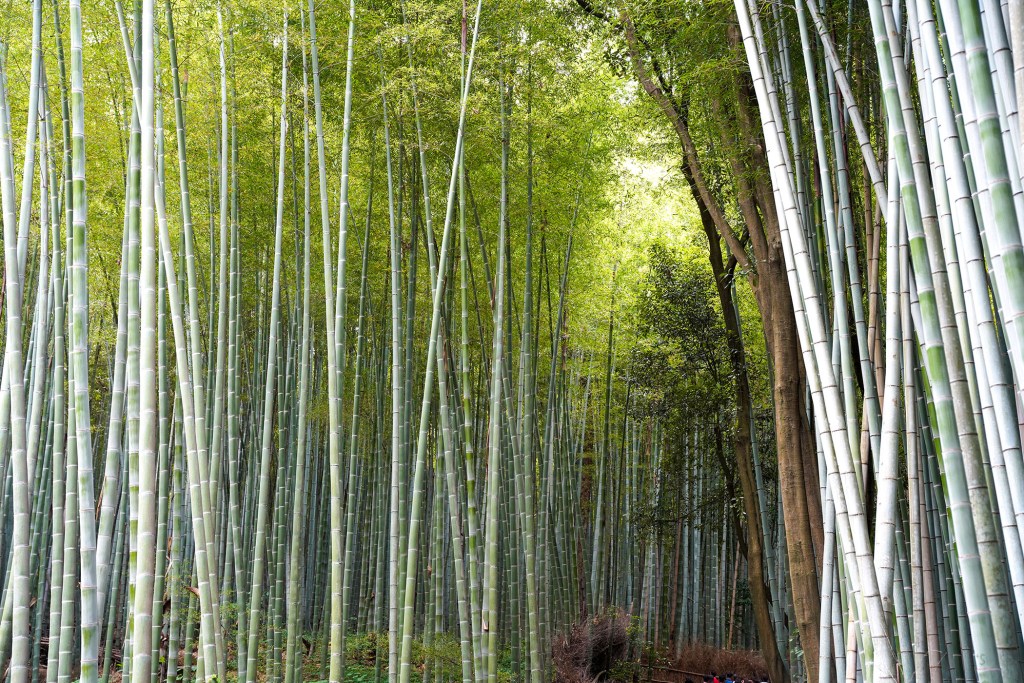
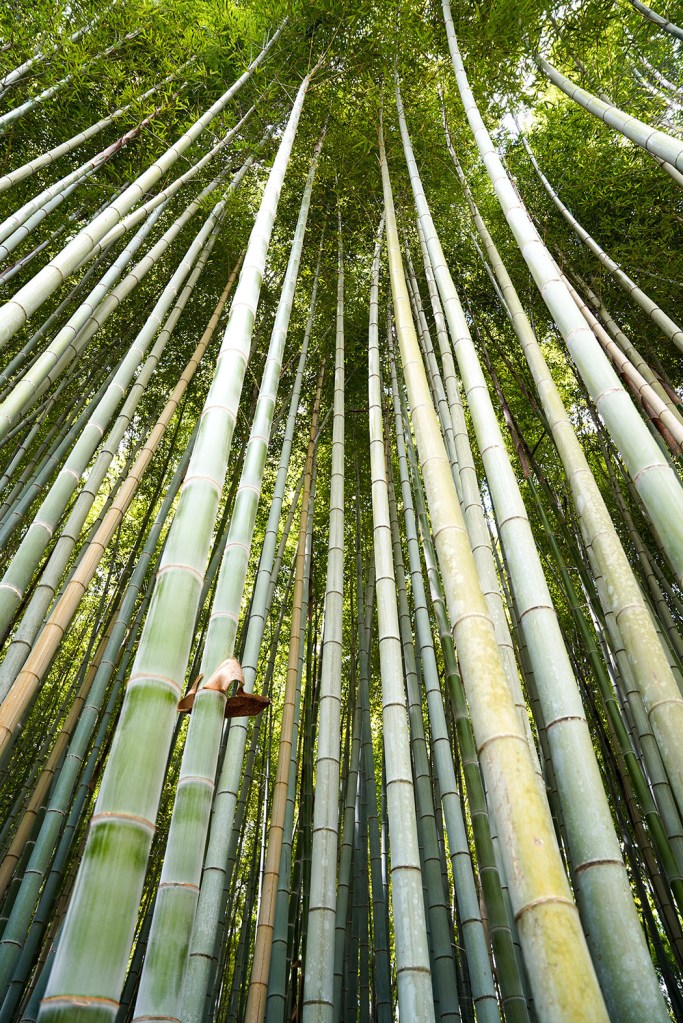
From Shin-Osaka Station, we took the 20-minute Shinkansen ride to Kyoto. We made the mistake of not waking up early enough, and by the time we arrived at the Arashiyama Bamboo Grove in Kyoto at 10:30am, the crowds were very dense. Crowded or not, the bamboo grove is beautiful and worth visiting. There are walking paths that are open to the public and others that are not. Although there were clearly marked signs not to trespass, that didn’t stop tourists from completely disregarding the warning for a better photo opportunity. That’s an easy way to anger the locals and become a target for local police, so it’s probably not a good idea. My best advice for parents visiting with kids, particularly those using strollers, is to arrive by 7 a.m. Understandably, waking up early might be inconvenient, but you are more likely to have a path in front of you to push the stroller without constantly bumping into others. Also, the earlier you get there, the better your photo opportunities. The main street that leads into the Bamboo Grove trail is lined with gift shops and various shops where you can grab a bite to eat. The Bamboo Grove trail will also lead you to Tenryuji Temple, a UNESCO World Heritage Site.

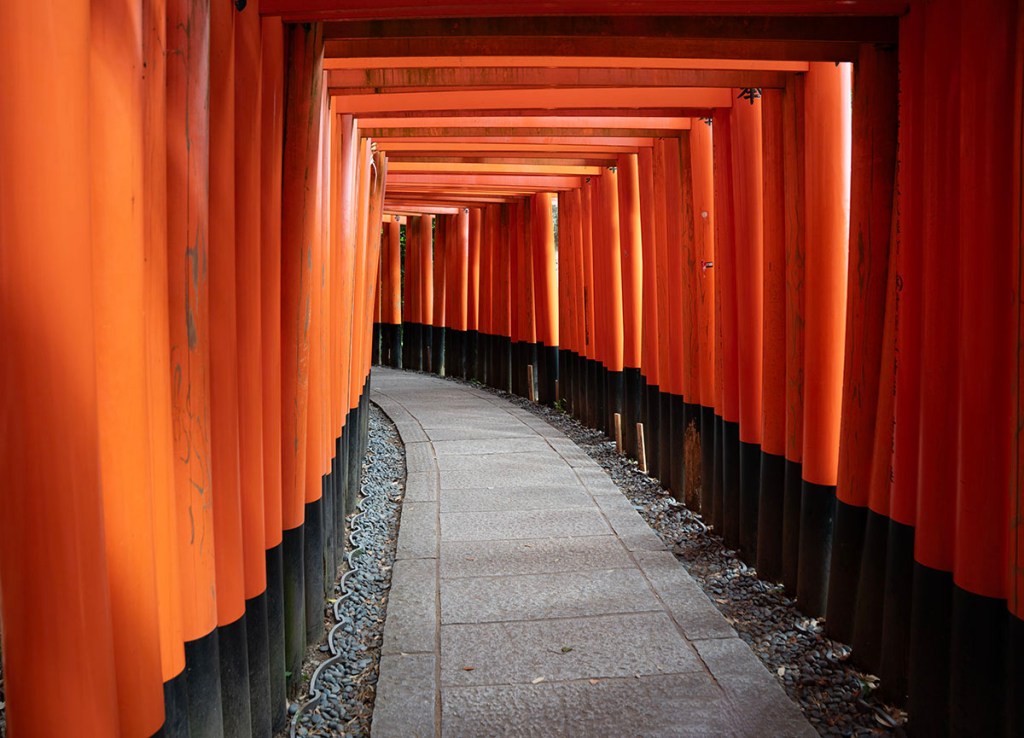
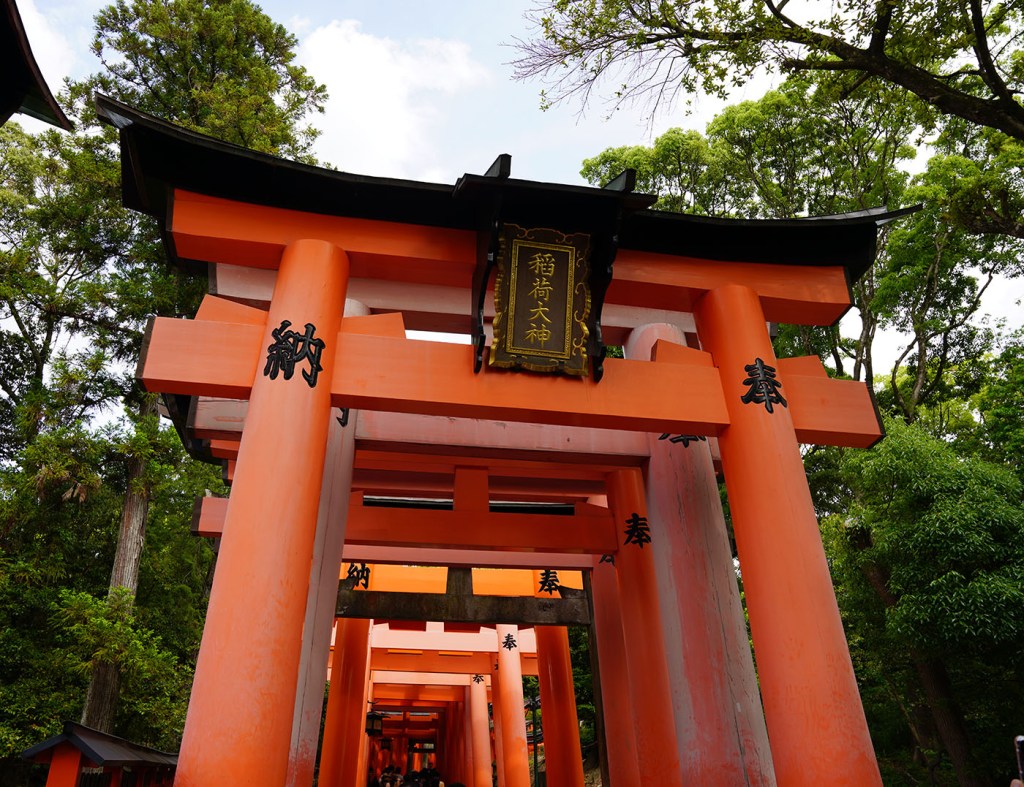
Our next stop was the Fushimi Inari Shrine. We walked about 10 minutes to the Saga-Arashiyama Station and then took the JR local train back to Kyoto Station. We transferred to the “D” line towards Nara and got off at Inari Station. When you leave the station, the giant bright orange gate to the shrine greets you. The first part of the shrine is stroller-friendly, but as you progress, it gets a bit harder as the ramps start to disappear. Eventually, all you’re dealing with is stairs. At this point, we kindly told the kids they needed to get off the stroller so it could be folded and carried up the stairs. The Zoe double stroller is lightweight, so it’s pretty easy to carry. Once we wrapped up our visit to the shrine, we headed back to Osaka, where we had dinner reservations at Panga Halal Wagyu Yakiniku, the sister location of the original in Tokyo.

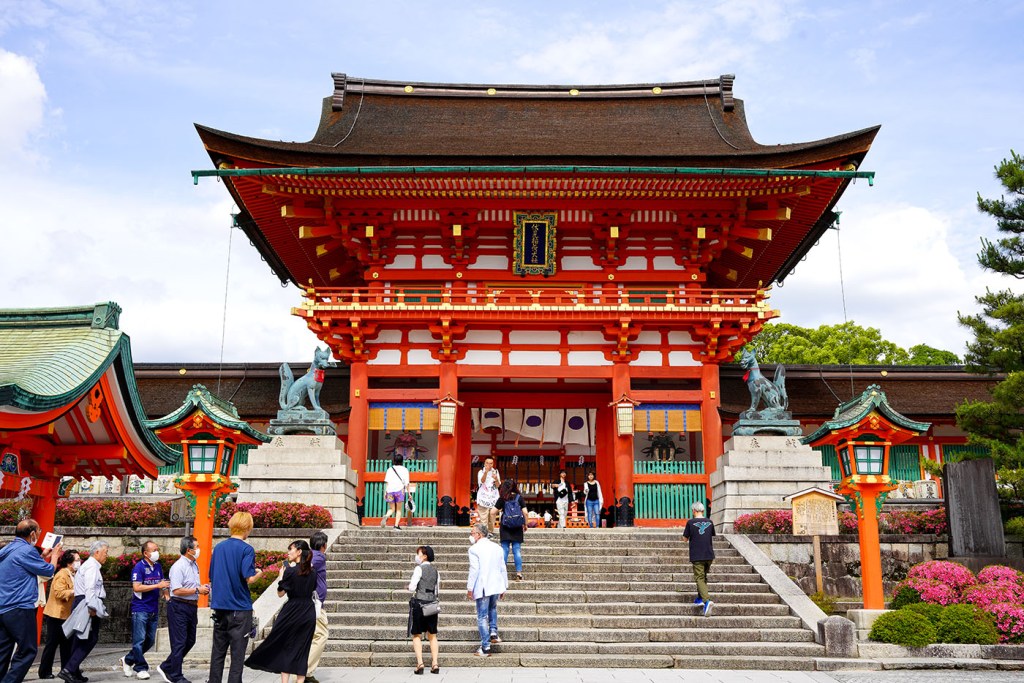
Fushimi Inari Shrine
This location had an abbreviated menu and didn’t offer ramen as the other location did. The food was still great (wagyu is wagyu), but this location had a smaller footprint and felt cramped inside. Like the Tokyo location, it’s best to have a reservation, or you will likely be turned away. Conveniently situated right off Shinsaibashi-suji Street, a covered shopping street in the heart of Osaka boasting a diverse range of retail shops, from high-end luxury to casual, this location offers a convenient dining experience. For dessert, we stopped by Excelsior Cafe and had Cremia ice cream.
Day Eight: Osaka- Final full day in Japan
On our final day in Japan, we immersed ourselves in the lively atmosphere of Shinsaibashi-suji Street and the Dotombori shopping district in Osaka. This vibrant area offered a perfect blend of shopping and dining, and we chose to savor the charm of this fantastic city instead of venturing outside Osaka. Prioritizing an easy-going and relaxing day for the kids before our upcoming journey to Bali, Indonesia, we decided against additional excursions to places like Nara, an extra day in Kyoto, or a day trip to Kobe. Considering the potential fatigue of the kids the following day, we carefully weighed the pros and cons and opted for a more laid-back experience in Osaka. And with that, our memorable trip to Japan came to a satisfying end.


Tips
- When purchasing a subway ticket in Tokyo, you can’t use a credit card to buy a single-ride ticket. Cash is required at the kiosks. If you’re there for a while, you can use a SUICA or PASMO, which allows you to tap and pay as you go. Certain credit cards linked to SUICA or PASMO, like AMEX, seem to work fine, while with Visa and Mastercard, your mileage may vary.
- Do not throw away your tickets or passes until you have arrived at your destination and exited the gates. Your tickets are required to exit the station; if you have lost them, the agents will assume you never purchased a ticket and will make you repurchase it. Coming from the U.S., where you just swipe your Metro card or Ventra card and mindlessly put it away, I had to search my pockets to find the tickets the first time we were exiting when I was asked to present them.
- The subway platform will have an area for each car designated for people with strollers or wheelchairs. Use those cars since they provide a nice area to park your stroller or wheelchair, and people are very respectful about keeping that area clear.
- Locals in Japan love babies. They may touch or pat your child, and there shouldn’t be any reason for them to be alarmed. They mean well.
- The Seven-Elevens in Japan have a cult-like following, and with good reason: They sell darn good food. Their breaded fish sandwich and egg sandwich (especially if you can get it fresh in the morning) are fantastic. Their strawberry and whipped cream sandwich is delicious. They have different variations of sticky rice packaged nicely, and it’s a perfect pick-me-up snack for the kids. Oh, thank Heaven indeed.
- Although we loved our Airbnb in Hakone, the one thing that wasn’t made clear and presented a challenge was that it was up a steep hill. Pushing a stroller and two suitcases up that hill wasn’t easy, but we survived. Was it still worth it for the views? Absolutely. But if you’re not inclined to take a similarly challenging hike, I’d recommend asking the Airbnb owner about the property’s accessibility before booking. Of course, if you’re driving, this isn’t an issue since a road should lead you straight there. No Uber was available when opening the app, and taxi drivers were hard to find.
- Japan is like the vending machine capital of the world. You rarely go more than two blocks in Tokyo before seeing one on the sidewalk. Most vending machines offer a variety of delicious and unique beverages, so I recommend trying them out.
- Some restaurants and shops in Japan accept cash only, so it’s a good idea to have some Japanese yen on hand.
- Tipping is not customary in Japan, so while you may attempt to tip, a person will likely reject it.
- If you see a place that sells Cremia ice cream, jump on it! It’s only the best ice cream you’ll ever have.
 Miles for places